For the 50th game I'm going to review on this blog, I thought I'd treat you to something especially horrendous;
Game: The Sniper 2
Console: Sony Playstation 2
Developer: Best Media
Release Date: 5th March 2004
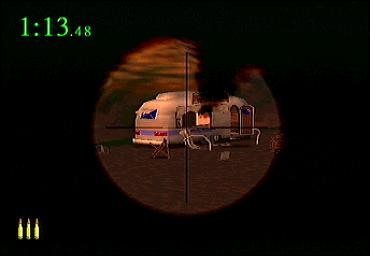
Introducing The Sniper 2, a budget title so bad that it's not even worth anywhere near the £14.99 launch price. As the title might suggest, the player takes the role of a Sniper, progressing through the levels by taking out mafia who are pursuing them and ridding the world of anyone deemed important enough to the loose plot to be a threat.
The game begins with a cutscene detailing events in "The Sniper" for Playstation, the previous installment in the series before moving onto the opening movie, with horrible voice acting as well as strange moments which don't quite make sense, including unexplained changes of clothing and references to events which we haven't witnessed. It's also far too long and features many bad half-jokes.
The first mission comprises of three (needlessly) seperate parts, where you have to pick off mafia members one by one, even though they can be seen on screen at the same time and could easily have been shot in sequence. A cutscene plays to indicate the fact they've moved, even though the player could've clearly seen that fact, had they done so inside of the mission. Once all three members have been shot, a terribly animated grenade is thrown at the protagonist's girlfriend, and then the credits roll.
The game isn't over however, the credits play at the end of every "chapter" (although really these should be single missions, as previously mentioned). The following missions aren't at all challenging, feature ridiculous situations such as criminal targets walking down the street in broad daylight, and are sandwiched between increasingly boring and long cutscenes. There are 10 stages in all, making for a short game, especially gameplaywise (most of the game is cutscenes which tell the story in the least straightforward way possible).
For a lot of the missions there's a choice of vantage point, or time of day although it's almost exactly the same point at a slightly different angle, or a slight difference in shading, rather than something which the player might care about deciding. There's no choice of gun or strategy for instance, a simple choice such as this might make the game more engaging. The sniping is made difficult by the fact you can't tell how far away you are from the target and so many a shot travels for longer than anticipated.
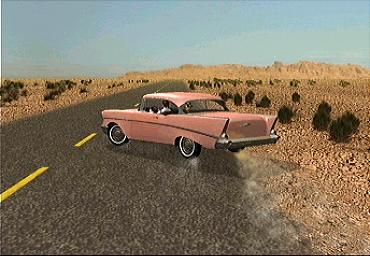
Graphically the game is pretty poor, the buildings and cars are blocky and the people are poorly detailed and hard to differentiate from a distance, not exactly what you'd want in a sniper game. The music sounds like poorly composed elevator music, that someone recorded from a keyboard, on a shoestring budget (as I imagine they were). Sound effects are equally poor with a stomach rumble in a early cutscene sounding more like nothing I've ever heard in my life before.
This game is as bad as it sounds, what little gameplay there is looks terrible, plays terribly, isn't at all fun and isn't explained well at all by the hours of cutscenes which are poorly acted, scripted and voiced. It's hard to find or even identify your target and the controls and programming make it difficult to shoot them even when you do. There's no redeeming features to this game, its best feature is that its short, to save you from any further torture.
Rating: 6/100
Grade: F
Friday, 7 June 2013
Thursday, 6 June 2013
Game Review: WarioWare, Inc.: Mega Party Game$!
Game: Warioware, Inc.: Mega Party Game$!
Console: Nintendo Gamecube
Developer: Nintendo
Release Date: 3rd September 2004
The first game in the Warioware series which features many timed minigames in it's main gameplay mode, Warioware Inc. was first released for the Gameboy Advance in 2003. However, under express instruction of the CEO of Nintendo of Japan it was ported to Gamecube "as fast as possible" with new multiplayer modes on top of the same core gameplay. Although I have played both versions of the game, I feel the controls and advantage of using the television screen make the Gamecube version superior.
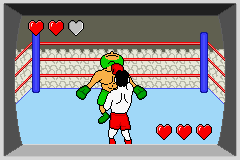
To progess through the game, the player must beat a set number of minigames before the boss stage of each of the 9 sets of games, each hosted by a different in-game character and sorted by theme. Once a set of minigames has been beaten once, its possible to go back and challenge for the highscore on that set of minigames, clearing as many levels as possible before running out of lives. As the minigames only last 4 seconds, action is fast paced and mistakes are swiftly punished.
Overall the selection of minigames is excellent with varied and well executed ideas as well as throwbacks to older Nintendo games, pop culture references and general Wario weirdness. Only the directional controls and the A button are needed to play, the variety is in beating the minigames with some requiring timing, and others requiring problem solving or a sharp eye to beat. An instruction to aid the player in knowing what to do flashes up quickly at the beginning of each minigame, but once you're used to them, it's not needed.
Graphically the game adopts a cartoon like style for menus, cutscenes and a lot of the minigames, although in a sense most feature their own graphical style depending on what needs doing, or what the theme of the game is. With 150+ minigames, it might seem somewhat overwhelming, but the gameplay is easy to pick up and rewarding as the player gets an instant answer as to whether or not they've succeeded.
The boss stages are also well varied and thought out, in relation to the theme of each set of minigames. The difficulty of the game is fairly low, especially once you've got the hang of most of the games, but it takes more practice to get highscores, or play the unlockable harder modes which are a reward for completing the game.Sudden Death mode sees the player take on the game with just one life, the hardcore mix has every game on a high speed setting and so on. This adds replay value to the game, as does the sheer amount of games to master.
Musically the game has some good themes and tunes although a lot of them are short due to the nature of gameplay. A lot of the in-game sounds are borrowed from Wario Land 4, and although a lot of them fit right in, this was somewhat lazy on Nintendo's part. Multiplayer modes that were added for the Gamecube version are fun on the whole, and an innovative new take on both competitive and team play, giving the game much more of a party feel, as the title indicates.
Overall this is a well put together fun collection of varied minigames, which features good multiplayer modes as well as single player gameplay. It's easy to pick up, but will take a while to master all of the minigames, especially on the harder modes, the emphasis is fully on fun and whackiness and the game succeeds in its style of semi-ridiculousness. Although there's a weak plot and it can get repetitive after a while, its an experience that begs to be had every once in a while, and is always fun and fresh upon revisiting.
Rating: 88/100
Grade: A
Wednesday, 5 June 2013
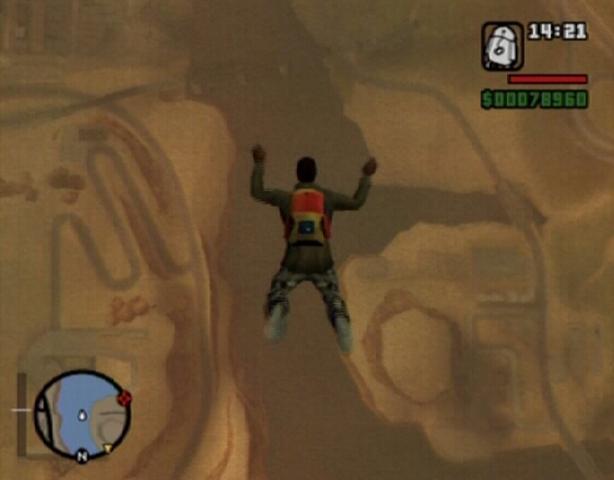
Game Review: Grand Theft Auto: San Andreas
Game: Grand Theft Auto: San Andreas
Console: Sony Playstation 2
Developer: Rockstar
Release Date: 26th October 2004
I'm fairly confident most people will know what the Grand Theft Auto series of games are about, but for anyone who doesn't, essentially they're sandbox adventure games featuring a protagonist who is involved in increasing amounts of criminal activity for their own gain. The games feature missions which have to be completed to unlock different areas, and features and a story to go alongside these, however there's no time restrictions and the player can take missions whenever they wish.
Mission play usually involves making CJ (the player character) drive cars or less commonly boats, aeroplanes or trains, to a specified location to carry out events relevant to the plot. Also a feature in a lot of missions is the use of firearms and melee weapons, to eliminate other gang members or pursuing police. There's a good amount of variation on these concepts in the missions and the overall plot of the game isn't actually too contrived or ridiculous. The characters are interesting and sometimes genuinely entertaining as parodies.
There's a massive selection of vehicles in game, ranging from tractors to assault aircraft to mountain bikes. Although in their own categories, most of the vehicles handle fairly similarly with speed being the only real variable, its understandable with such a large collection of vehicles that there'll be some overlap. In general, the controls are simple and serve to give seamless transitions between falling off a motorbike and making off with a passerby's SUV.
Weapon-wise also there's an amazing amount of choice in each category, with assault rifles, automatic machine guns, pistols, remote explosives, rocket launchers, even spray paint and tear gas can be used to the player's advantage to neutralise any hostile threats. The missions make good use of the in-game weapons and see that you get a decent turn with each.
A new feature of this game, in terms of the series is the player stats; eating in the various restaurants around town will add to your "fat" stat which is decreased by running and swimming, muscle is another area that can be improved with harder melee attacks the reward for doing so. The girlfriend system in game works with this, with each possible date requiring CJ to stay within certain stat boundaries to attract them. Other areas that can be levelled up include use of firearms, driving and flying skill. These give the player a greater sense of being able to shape the protagonist than in previous installments.
Alongside the main missions there are side missions which will see CJ delivering freight in 18 wheelers, being a parking valet, ambulance driver, fireman and bounty hunter. There are also races, and events to complete as well as driving, boating and flying license tests. The gameworld is pretty huge, featuring three distinct areas, each based on a real American city. Getting around the map is not only interesting but finding previously undiscovered places is a lot of fun also.
Graphically the game is pretty impressive for its time, there's a lot to render and for the most part it does a good job. Interiors are a little sparsely decorated, and there are a few graphical bugs that could be improved however these never really seriously impact upon gameplay. The only time I can personally remember cursing the game over a graphical problem was when it decided to render the tree my plane was about to hit just after I hit it, thus causing me an untimely death.
Musically, the game has licensed songs on its radio stations as well as original adverts and a talk radio channel and continuity announcers on the radio recorded specifically for the game. Most adverts are satirical and genuinely amusing, and there's a lot of good humour in the game, with names of companies (Cluckin' Bell, Juank Air, Brown Streak etc.) and locations having puns or parodying real companies or locations.
There's a wealth of other activities in game that I haven't yet touched upon, such as gambling in casinos, target practice at the gun ranges, buying clothes for CJ, or picking out his next hairstyle and tattoo, but it should already be obvious that the potential for fun with freeroaming and having as much fun as possible by taking your chances and doing anything that appeals to you is very high. With all the game features, areas, cars and weapons there's almost no end to the challenges one might set oneself.
Overall there's a lot of fun to be had from both missions and freeroaming in San Andreas, it's more rounded and full of features than previous installments, but just as light hearted and humourous. Perhaps some might find this game offensive with the large amount of profanity and violence featured, but that doesn't make it any better or worse of a game. There's not many bad features in game to pick apart, it's easy to outwit the AI with a little practice, and you do run out of activities eventually, but neither of those aspects stop this from being one of the best sandbox action adventure games out there, even today.
Rating: 93/100
Grade: A
Monday, 3 June 2013
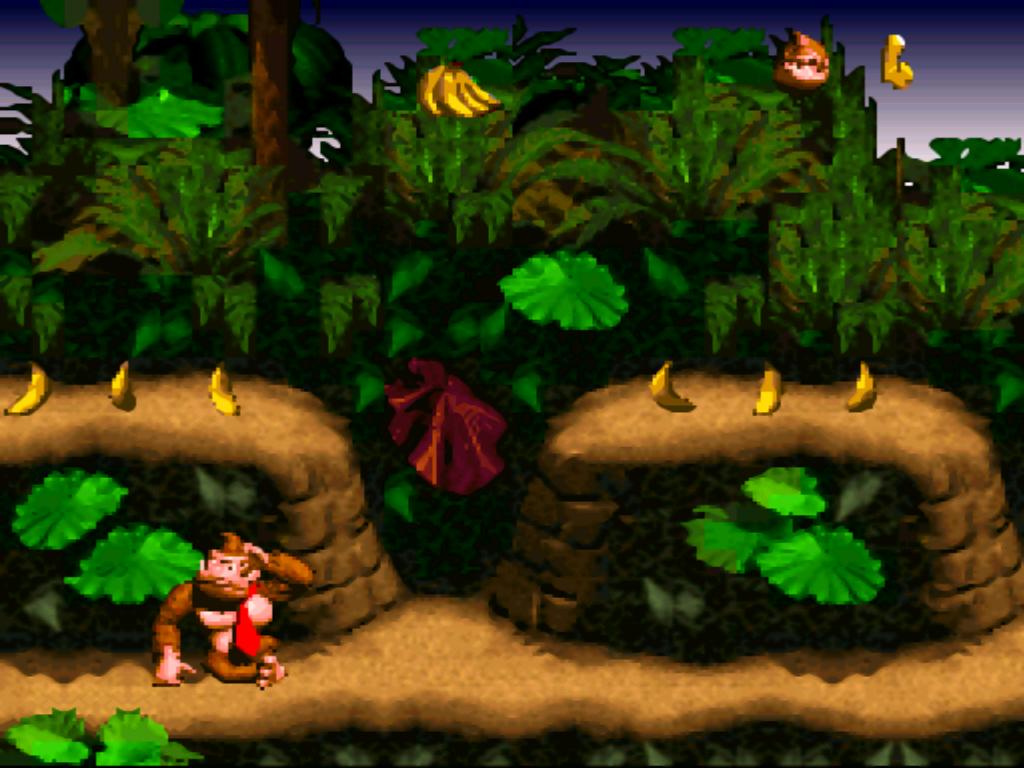
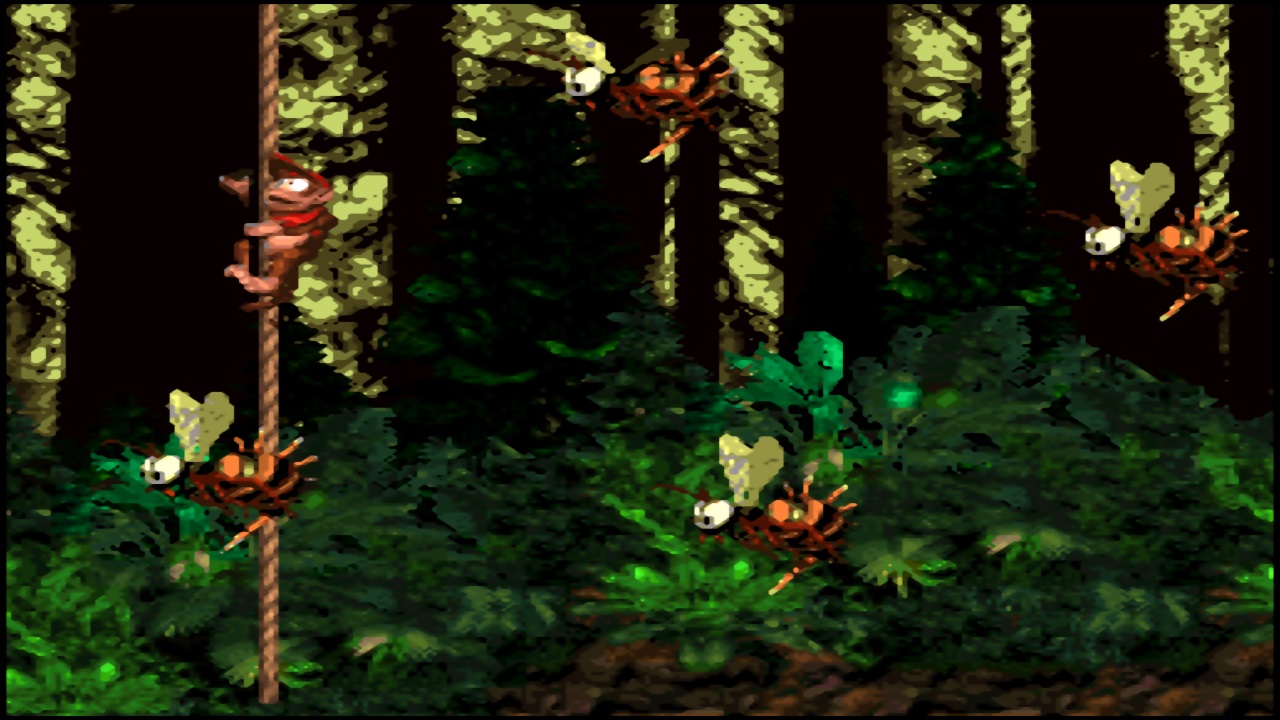
Game Review: Donkey Kong Country
Console: SNES
Developer: Rare
Release Date: 25th November 1994
Listen to the game OST as you read
Donkey Kong Country was the first game to feature Donkey Kong as a character outside of the arcade series featuring Jumpman, or Mario as he would later be called. Conceptually, the game is a fairly simple platformer where Donkey Kong, accompanied by his sidekick Diddy Kong collects bananas and avoids enemies to get through stages on his way to get back his stash of bananas from the final boss.
There are 33 stages and 7 boss battles to navigate on the way to completing this game, a fairly large amount by the generation's standards (Sonic the Hedgehog by contrast had 18 stages and 6 bosses). The game's difficulty can be a little unnerving at first, its not terribly hard but some stages require a bit of skill and memory to navigate There's a good amount of challenge, and the difficulty curve is almost perfect, making completion of stages rewarding and giving the player an incentive to keep trying on harder stages.
Graphically, the game was the first major game to have pre-rendered back grounds, behind the sprites. The game looks great because of this, way ahead of other games for the SNES, all the gameplay areas have interesting and visually pleasing backgrounds and objects. The game controls well, the player is able to swap between Diddy and Donkey Kong easily, the jump is responsive and there's the option to dash through parts of the stage.
There's a lot of variation in level design, with overground, underwater, minecart and other special level types. This keeps the game interesting and challenging to play, throughout the stages and although some ideas are repeated at later stages, with slight twists, in a game with as many levels as this, it's expected that some parts will featured variations on ideas. One interesting level design in particular is one featuring stop and go signs, which when red stop enemies from moving. The level features fast moving enemies and buttons to change the signs, it takes a while to master but is one of the most fun levels in the game.
Musically the game has one of my favourite soundtracks of all time, composed by David Wise. The level themes really amplify the ambiance of the scenery and area, and ties the game together where the different areas might feel somewhat unrelated to one another. There's a great variety of types of music also, from funky themes to relaxed underwater music.
Overall this is a game that feels ahead of its time both graphically and in level design, with a great soundtrack and controls. The difficulty is fairly high but it gets easier with repeated tries and its a game that makes you want to play until you succeed. With hidden shortcuts and bonus levels to explore, as well as the fun main levels, its got a lot to offer, even today.
Rating: 90/100
Grade: A
Worst of Master System Part 4: Transbot, Marble Madness and Super Tennis
Game: Transbot
Console: Sega Master System
Developer: Sega
Release Date: 1986
Transbot is a space shooter for Master System where the player controls a spaceship and attempts to make it through two (yes, two) levels to the final boss. Don't be fooled into thinking that this is a short game, however; the first level is ridiculously long, taking about ten minutes to scroll across. The second level in comparison is only about five minutes long, and once you're there slaying the boss is fairly easy. One rather irritating thing about the game is that there is no ending. Instead of a congratulations or even any story at all, you're taken back to a more difficult version of the first level for the game to repeat infinitely.
Graphically the game's pretty nice, a vibrantly coloured player sprite and interesting enemies keep the action from becoming tedious in the long first level, until the enemies have repeated so much that you wonder whether the level is ever going to end. Along the bottom of the screen, there's a van that drives by every now and then, which if shot provides you with a powerup to change your form.
There are 6 different forms your ship can take, 3 of which are the ship, with different types of missiles, the other 3 see the ship taking different shapes, with a spread missile, a two-way shot and a laser wave. This gives good variety to the gameplay, and the music is decent, if a little repetitive. Once the player gets onto level 2 there's a few new enemies and a change of scenery but that's about it, really.
Overall this game could have been much better with a greater number of shorter stages, more akin to Space Harrier. A proper ending would have also helped give a sense of completion and achievement to the ending. In the end the game feels like it's missing key features and thus not as fulfilling as it could be.
Rating: 46/100
Grade: D
Game: Marble Madness
Console: Sega Master System
Developer: Sega
Release Date: 1992
Marble Madness is a fairly simple game, for the Master System (amongst other consoles) in which the player controls a ball through a maze, to get to the end. There's 6 levels and whilst its not the most action packed game you'll ever play, it controls decently, and can give a little bit of fun for a while at least. Graphically the game is pretty basic, perhaps a by-product of being ported around to different consoles, but its not the most graphically intensive of concepts either.
The levels increase in difficulty to the point of near impossibility with the time limit spurring you on, the level designs are fairly challenging sometimes, but for the most part they're done well. Easily the best part of the game is the music, although its not exactly fitting, its nice to see the Master System sound chip being used well. Overall its a fun little game with good music and no more than that.
Rating: 39/100
Grade: E
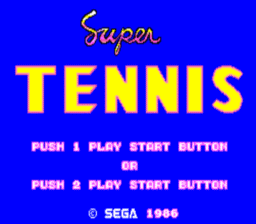
Game: Super Tennis
Console: Sega Master System
Developer: Sega
Year: 1986
Super Tennis is possibly one of the worst game I've ever played. As the title would imply it's a tennis game, for the Master System. I'll start with the good features of the game; the graphics aren't terrible although I've seen much better, there's also a decent selection of options, upon start-up with choices of difficulty, doubles and singles and player type.
The outer edge of the court is a horrible greeny brown colour, and the only music in the game is a little tune that plays after each game. The hit detection is almost random, hitting the ball is based mostly on luck and even being able to serve is something that takes a fair amount of luck and practice. The players move slowly and its difficult to even get to the ball in some cases, making the game rather hard to enjoy.
On the whole although this is an early Master System game, the errors it makes are inexcusable, and make gameplay unrewarding and frustrating.
Rating: 10/100
Grade: F
Sunday, 2 June 2013
Game Review: Shenmue (Minor Spoilers)
Game: Shenmue
Console: Sega Dreamcast
Developer: Sega AM2
Release Date: 7th November 2000
Shenmue is one of my all time favourite video games, I got the first disc along with my Dreamcast when I first got it. Little did I know that there are three game discs, and a fourth "passport" disc included in a full copy of Shenmue, until later. As you can imagine, any game which spans three discs is massive in proportion; at the time of its release, Shenmue held the record for the most expensive videogame ever produced, with a whopping $47 million spent on it.
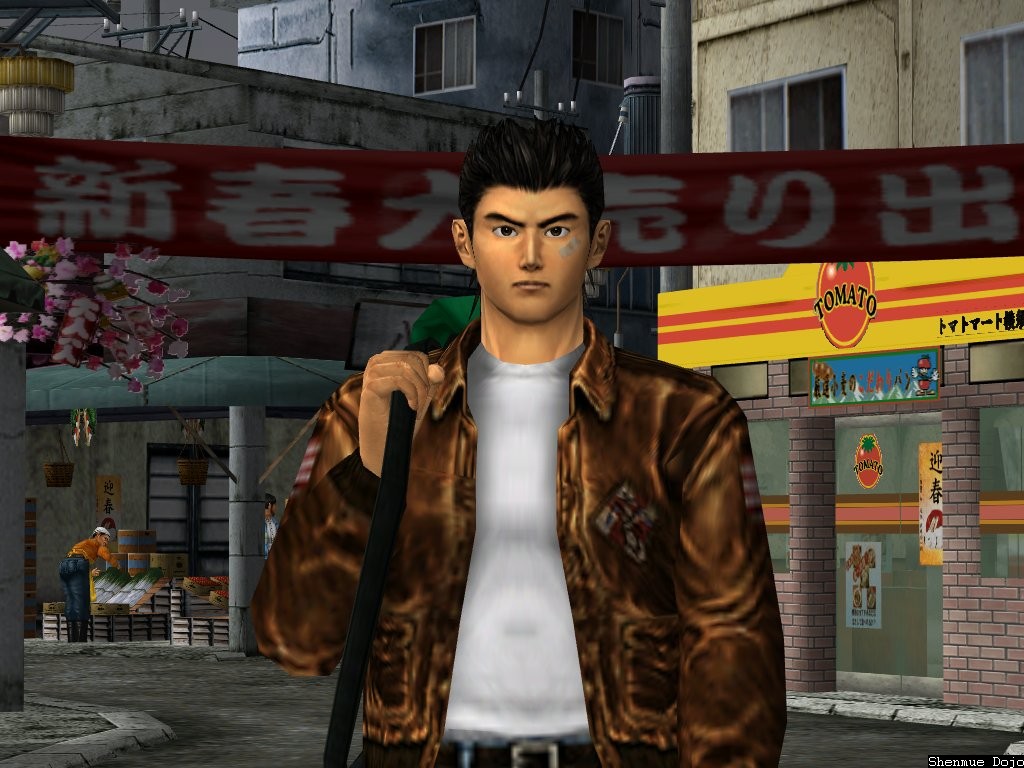
You play as Ryo Hazuki, witnessing in the opening cutscene your father's death at the hands of a mysterious man called Lan Di. The game begins a few days later, as the player has to pick up the pieces and attempt to work out where Lan Di left for, where he is now and how to get revenge for Ryo's father's death. Using information given to you by friends, townsfolk and even gang members, you trace the story through, revealing new leads to help you in your quest.
Graphically the game is beautiful, both for its time, and even now it still has an undeniable charm in its detail and features. Ryo is able to purchase items from stores, go to a videogame arcade, listen to cassette tapes, collect gacha toys, and use vending machines in addition to other activities. There's so much to do that isn't even related to the plot of the game that it's easy to get caught up just living Ryo's daily life. Ryo can train his martial arts skills in the dojo next to his house as well as in any open area big enough, which can be useful in fights later on in the game.
Musically there's a large amount of themes and sound effects used in game, immersing the player even further into the game world. Each shop, bar and restaurant in town has its own background music, even just the sound of a motorcycle going down the street takes the player to Japan in 1986, when the game is set. The only fault I can find with the game's sound is that the dubbed voices can seem insincere at times, and the only game option for the PAL version is English so you're stuck with it.
As the plot advances, physical combat situations are met in one of two ways. First there's QTE's (quick timer events) where a buttons must be pressed within a certain time for Ryo to perform preset actions, for Ryo to win the fight/come out on top in the situation. The other combat element is Free Battle in which Ryo can use moves that he has learned and practiced in combat, via their button combinations. Both he and the opponents have health bars for this type of combat.
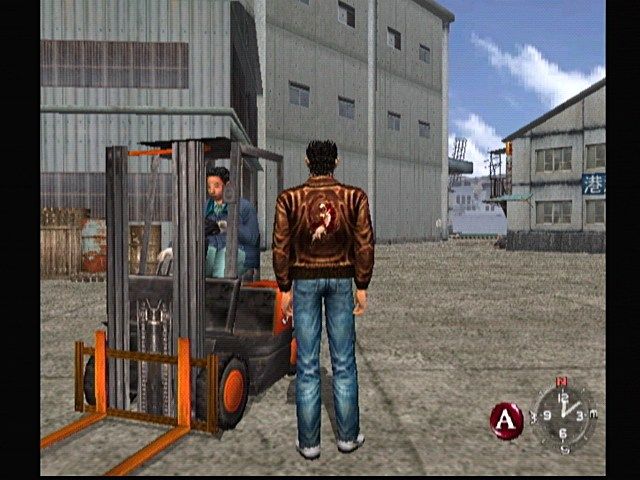
Used pretty sparingly, these combat situations move the plot along, where it seems like Ryo's information stream has come to a close. The main part of gameplay sees Ryo setting out everyday to collect more information, and gather leads as to the whereabouts of Lan Di. These take him from his hometown of Yamanose, to the Dockyards where he has to find a job and infiltrate the "Heavens" gang which is based there.
The game ends with Ryo setting off in search of Lan Di, further afield, but not before he's managed to have a 70 man fight at the dockyard, get fired, raise a kitten, play arcade games, collect capsule toys, play on his anachronistic Sega Saturn (its 1987 for goodness sake...), and live his life in the hopes of catching up to Lan Di. The story is continued into Shenmue II and its easy to think that nothing really happens in Shenmue. The atmosphere and way the story is presented is so immersive however, that you'll care about every little detail, right down to receiving a double of a particular capsule toy.
The pacing of Shenmue has been criticised somewhat, in that the game moves somewhat slowly (there are 4 minutes to an in-game hour), and the action is very sporadic, however the level of immersion and detail begs that you take the game slowly. The worst thing you could do with Shenmue is to rush through it, as there's so much you'd be missing. The real charm in this game is living Ryo's daily life in search of his father's killer, deciding whether to spend your last hundred yen on a game of Space Harrier or Hang On (both original arcade games are fully playable on here).
Overall, Shenmue is a hard game to describe; the plot doesn't really hot up until Shenmue II, but it lays the foundations, there's a lot to do, in an immersive world which is beautifully modelled. The fighting system is nicely implemented, both moves and QTE's, and the control system works nicely. Musically the game has a great original soundtrack, and sound effects with the voice acting being the only minor complaint. The sense of immersion into this game is greater than any other game I've played, and although its paced slowly, it gives you a chance to enjoy all of the features.
Rating: 94/100
Grade: A
Console: Sega Dreamcast
Developer: Sega AM2
Release Date: 7th November 2000
Shenmue is one of my all time favourite video games, I got the first disc along with my Dreamcast when I first got it. Little did I know that there are three game discs, and a fourth "passport" disc included in a full copy of Shenmue, until later. As you can imagine, any game which spans three discs is massive in proportion; at the time of its release, Shenmue held the record for the most expensive videogame ever produced, with a whopping $47 million spent on it.
You play as Ryo Hazuki, witnessing in the opening cutscene your father's death at the hands of a mysterious man called Lan Di. The game begins a few days later, as the player has to pick up the pieces and attempt to work out where Lan Di left for, where he is now and how to get revenge for Ryo's father's death. Using information given to you by friends, townsfolk and even gang members, you trace the story through, revealing new leads to help you in your quest.
Graphically the game is beautiful, both for its time, and even now it still has an undeniable charm in its detail and features. Ryo is able to purchase items from stores, go to a videogame arcade, listen to cassette tapes, collect gacha toys, and use vending machines in addition to other activities. There's so much to do that isn't even related to the plot of the game that it's easy to get caught up just living Ryo's daily life. Ryo can train his martial arts skills in the dojo next to his house as well as in any open area big enough, which can be useful in fights later on in the game.
Musically there's a large amount of themes and sound effects used in game, immersing the player even further into the game world. Each shop, bar and restaurant in town has its own background music, even just the sound of a motorcycle going down the street takes the player to Japan in 1986, when the game is set. The only fault I can find with the game's sound is that the dubbed voices can seem insincere at times, and the only game option for the PAL version is English so you're stuck with it.
Used pretty sparingly, these combat situations move the plot along, where it seems like Ryo's information stream has come to a close. The main part of gameplay sees Ryo setting out everyday to collect more information, and gather leads as to the whereabouts of Lan Di. These take him from his hometown of Yamanose, to the Dockyards where he has to find a job and infiltrate the "Heavens" gang which is based there.
The game ends with Ryo setting off in search of Lan Di, further afield, but not before he's managed to have a 70 man fight at the dockyard, get fired, raise a kitten, play arcade games, collect capsule toys, play on his anachronistic Sega Saturn (its 1987 for goodness sake...), and live his life in the hopes of catching up to Lan Di. The story is continued into Shenmue II and its easy to think that nothing really happens in Shenmue. The atmosphere and way the story is presented is so immersive however, that you'll care about every little detail, right down to receiving a double of a particular capsule toy.
The pacing of Shenmue has been criticised somewhat, in that the game moves somewhat slowly (there are 4 minutes to an in-game hour), and the action is very sporadic, however the level of immersion and detail begs that you take the game slowly. The worst thing you could do with Shenmue is to rush through it, as there's so much you'd be missing. The real charm in this game is living Ryo's daily life in search of his father's killer, deciding whether to spend your last hundred yen on a game of Space Harrier or Hang On (both original arcade games are fully playable on here).
Overall, Shenmue is a hard game to describe; the plot doesn't really hot up until Shenmue II, but it lays the foundations, there's a lot to do, in an immersive world which is beautifully modelled. The fighting system is nicely implemented, both moves and QTE's, and the control system works nicely. Musically the game has a great original soundtrack, and sound effects with the voice acting being the only minor complaint. The sense of immersion into this game is greater than any other game I've played, and although its paced slowly, it gives you a chance to enjoy all of the features.
Rating: 94/100
Grade: A
Series Review: Space Harrier (1 and 2)
Game: Space Harrier
Console: Sega Master System
Developer: Sega
Release Date: 1986
Space Harrier is a third person shooter, originally an arcade game, it was scaled down to become a game for the Master System. Gameplay involves shooting anything and everything in your way, from enemies to projectiles to trees in the surreal landscape provided. You're constantly moving forwards as enemies come toward you from the background to the foreground, anything you don't shoot becomes something you have to dodge. Later levels also feature obstacles which must be dodged in addition to you shooting duties.
The game has 18 levels, of increasing difficulty, leading up to the final boss. There is a plot to why you've got to shoot absolutely everything in existance, but as with most 80's arcade games, the plot is based around the gameplay and not the other way around. There's a fair selection of enemies throughout the levels with somewhat varied bosses, a lot of them psychedelic and strange, with bright colours.
Graphically the game is strange, with detailed enemy sprites especially for the time, yet due to the hardware restrictions and scaling being an issue with enemies coming towards you, a lot of the time you can see a box around the enemy, or flicker when they overlap. This isn't to say that this problem makes the game unenjoyable, however perhaps Sega were a little overambitious with how many enemies they could fit onscreen at one time versus the processing power of the Master System.
Musically the game has a lot of different, catchy tracks which suit the game well. Personally I'd say the music is some of the best on Master System. The soundclips do not fare so well however, with the lowest quality I've possibly ever experienced. The game gets pretty difficult towards the end, speeding up and adding more and more enemies, its a good concept but the more complex it gets, the harder it is to tell what's going on.
Overall this is a fun game to play for the Master System, it responds well and is different to a lot of the games you'll find of the era. The fun crazily themed enemies and bosses are reminiscent of Fantasy Zone, another classic game for the console. The only real limitations to this game are the console's processing abilities itself, which do hold back the game a little sometimes. Its definitely worth a try, and will fit into any Master System collection.
Rating: 70/100
Grade: C
Game: Space Harrier II
Console: Sega Mega Drive
Developer: Sega
Release Date: 29th October 1988 (JP)
One of the original launch games for the Japanese Mega Drive, Space Harrier II was not based off an arcade game like its predecessor. The game features the same basic idea and controls; the player moves around the screen, dodging attacks from enemies scrolling toward them. The graphics have been improved for the Mega Drive and the game runs much more smoothly, in terms of processing.
The visuals are once again brightly coloured, featuring an array of strange enemies, of various shapes and sizes. The controls are as simple as ever, with any of the three buttons on the Mega Drive controller used to shoot, and the control pad to move around the screen. Space Harrier II feels somewhat easier than the first installment in the series, perhaps due to the smoothness of the processing, with a lot less graphical issues with multiple enemies onscreen.
Musically, the game has a lot of different tracks to offer, with a different theme for every boss battle and a couple of different level themes. Overall the quality is good, and the sound effects have also been vastly improved from the last game. With 13 stages, its a shorter game than the original, and the final stage is every boss, in sequence (somewhat a tradition in early Sega arcade games).
The player is also able to select any of the 12 levels preceding the final level to start on, from the level select screen, which saves the frustration of having to complete the game in one go, but the option is still there if you're up to it. Series-wise there was an installment inbetween the two games in this review called Space Harrier 3-D. Not only did it require Red/Cyan 3D glasses but it is also one of the hardest Master System games out there.
Overall this is a better game than the original Space Harrier, if only for the fact that the Mega Drive had better graphics, sound and processing than the Master System. Another factor that helped Space Harrier II is the fact that it was built for home console, unlike its predecessor which was a scaled down version of the arcade release. Its an enjoyable play with varied enemies and stages, which almost make up for the fact that the gameplay doesn't have much variation in itself.
Rating: 76/100
Grade: B
Thursday, 30 May 2013
Series Review: Need For Speed (PS2 versions) Part 2
Game: Need For Speed Carbon
Console: Sony PlayStation 2
Developer: EA
Release Date: 31st October 2006
Need for Speed Carbon sees racers taking to the canyon for some of the races in the game, in addition to the usual street racing, and cop chases. The plot of the game follows on from Need For Speed Most Wanted, with the player driving the last prize car out of Rockport (the setting for Most Wanted) and into Palmont (the setting for Carbon), where an incident happened involving the player. More details of this are uncovered throughout the game leading up to the boss race. Although the plot isn't the strongest part of the game its a marked improvement from previous installments.
The majority of gameplay is dedicated to racing inside the city of Palmont, in order to "gain control" of territories, when enough races are won in an area, leading to a challenge from the gang leader who used to control that area. Some of the races and all of the bosses races are conducted on the canyons, which are downhill tracks with lots of handbrake turns and the possibility of falling off the edge at times.
Overall the game is fairly short, compared to other games in the series, I played for a little while before writing the review and had already completed 20% when I quit. There's 4 districts to take over by winning races, each with about 12 races in, which'll need winning before the boss challenges you. Although this makes for a fairly good system of play, its disappointingly easy to gain territory. The races themselves also seem far too easy compared to other installments (although this might just be due to the fact I've played too much Need For Speed recently).
In the races which aren't held on the canyon, there's a new wingman system. Out of the 3 other racers on track, one of them is on your team and able to help you in one of three ways. There's blockers who'll shunt opponents out of the way, drafters who'll allow you to slipstream them and go faster, and finally scouts who find the fastest route around the track. Not only do these seem fairly unnecessary, but the NPC's in the cars will make pointless comments and sometimes even get in your way. A lot of the time when they do help you out, the wingman will end up winning the race, which still counts as a win for you, but feels hollow in the grand scheme of things.
Overall the additions to this game aren't all that enjoyable, the focus having been taken away from police chases (which aren't as fun in game as Most Wanted), and put on Canyon races which could be better. Drift mode has been made a little easier to play, and the entire game difficulty feels too low, especially with teammates in the equation as well. Musically the game is pretty poor, re-using the police chase theme from Most Wanted, and choosing a fairly poor selection of "EA Trax".
Graphically similar to Most Wanted and worse off in gameplay, this is the first game of the second era to have not gone one better than its predecessor. It needn't feel alone however, things are about to get worse...
Rating: 68/100
Grade: C
Game: Need For Speed ProStreet
Console: Sony PlayStation 2
Developer: EA
Release Date: 23rd November 2007
Very different to the previous installments from the outset, Need For Speed Prostreet sees the player whisked off the streets to "race days", held seemingly in the middle of nowhere, around a dirt track with no other traffic or streets to be seen. From somewhere there booms the voice of an announcer who can't stop going on about how well you're doing, and gameplay is based around "Dominating" your rival racers on the track .
The handling is the first thing that's noticeable upon starting the game, completely different from any of its predecessors, it's inbetween arcade and simulation and makes the cars feel horribly heavy and unrealistic. This makes gameplay less enjoyable and rewarding overall as it almost feels as if the player is not in complete control of the car at all. No matter what car is chosen, the handling is basically the same and although there's more choice of cars than in some previous installments it almost doesn't matter.
Swapping the streets for the racetrack was another ill-informed descision. If there's one thing we've come to expect from the Need For Speed series as a whole it's exciting, fast paced night-time street racing. This installment delivers almost none of those, barely even able to be called racing due to the fact that the AI racers are beyond useless. There's a certain degree to which I can tolerate the computer player being bad at racing, but to finish 2 minutes and 10 seconds ahead of another racer, on a short race is not even funny. The whole concept of dominating your opponents seems to have come out of the fact that they can't compete at all.
The races themselves are boring and need more variation, "Grip" racing is just another name for circuit racing, Drag racing features a new tyre warming minigame that not only seems ineffective and pointless but wastes time also, and an abundance of Time Attack races in career mode sucks any fun that might have been lurking out of the game. As if the game wasn't easy enough there's an optional braking meter on the road in case you want to win by even more of a margin.
All cars in the game can be modified and "autosculpted" to the player's wishes, but graphically the game is only really as impressive as Most Wanted or Carbon on PS2, if a little less so due to the fact there's no city to render. The game comes across as a messy, unrewarding bore with terrible handling and no real incentive to complete, its only real value coming from being a sort of Redneck Raceday Simulator, for which I have no need.
Rating: 40/100
Grade: E
Game: Need For Speed Undercover
Console: Sony PlayStation 2
Developer: EA
Release Date: 17th November 2008
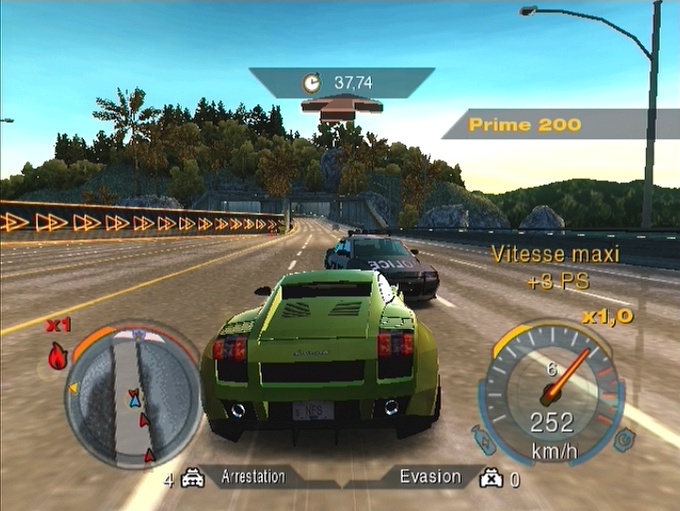
Undercover is the last Need For Speed game to appear on the Playstation 2, essentially being developed for Playstation 3 with a stripped down version being released for the older console. The focus shifts back to street racing and police chases, from ProStreet's Race Day setup and the cars handling is much more similar to that of Underground and Most Wanted than that of ProStreet. It seems EA acknowledged the mistake they made with ProStreet and wanted to evoke the success of earlier titles with Undercover.
The gameplay in Undercover certainly feels more like the kind we're used to with a city environment through which the player can roam freely, accepting races and challenges. The plot seems to want to be a bigger feature of this game than past installments however, unskippable live action cutscenes are played after every couple of major race wins. Unfortunately the story is somewhat vague, I spend most of the cutscenes trying to work out whether I'm an undercover cop or not. Personally I'm not too keen on being forced to keep up with the story, or the added "Driving Missions" that come along with it.
The main race types are still in the game, Circuit, Sprint etc. although in the early stages at least they take a back seat to police chase milestone events, somewhat like Most Wanted, except the police work somewhat differently. For example; speeding past a police car at 3 times the posted speed limit in this game will earn you no attention whatsoever, but clipping a police car on the way past, no matter how fast will set more police than you knew existed on your car. This dents the realism somewhat, and with already downgraded graphics, all the police chases really serve to do is make me want to pop in the disc for Most Wanted.
Musically the game has a decent selection of music, covering many genres, my only complaint being instrumental versions of tracks already on the soundtrack having been included also, so you can never quite tell whether its safe to sing along. The selection of in game cars is fairly wide although many have appeared in previous installments, a lot of them muscle cars are very similar types of car to one another, it would have been nice to see more variety there. The aerosculpt feature stays in the game, for car customisation, although it's hidden in submenus at the safehouse instead of being the large part of the game it once was.
Overall, the game seems to want to be more of an action film with gameplay elements than anything else, but its races are standard Need For Speed races, if a little easy. Its police chases pale in comparison to Most Wanted, and the new parts are either tedious and unskippable, like the cutscenes or unnecessary for the most part, like the huge arrow in the sky which directs the player during missions and other parts of the game. For 2008 the game is hardly impressive graphically or in terms of gameplay. I don't think a lot of effort was put into this version compared to the PS3 version, and it shows.
Rating: 60/100
Grade: D
Wednesday, 29 May 2013
Series Review: Need For Speed (PS2 versions) Part 1
The Need For Speed racing series focuses predominantly on street racing and car customisation, with different event types and goals throughout the game series. I'm going to be taking a look at the "second era" of these games, with every title released for the Sony Playstation 2, from 2003's Underground to 2008's Undercover.
Game: Need For Speed: Underground
Console: Sony Playstation 2
Developer: EA
Release Date: 17th November 2003
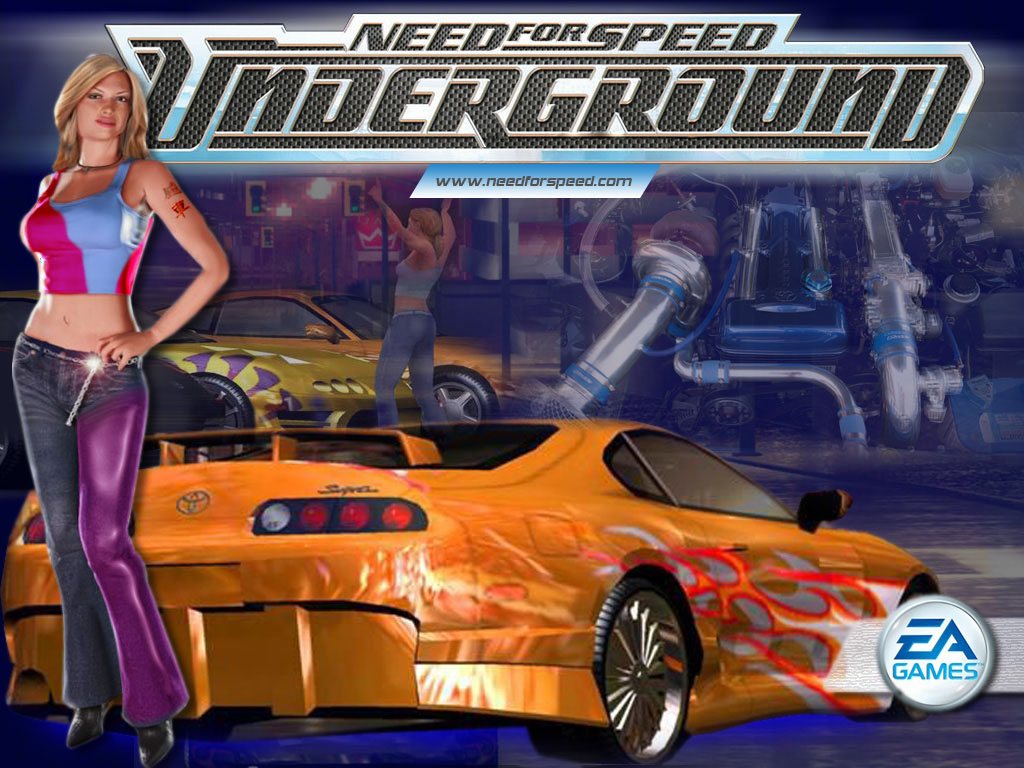
The first game in the "second era" of the Need For Speed series, Underground took to the PS2 with an emphasis on street racing with a selection of import cars which could be tuned up aesthetically and performance-wise. All races take place in a generic city at night, which is not to say that the city is boring, landmark-wise, however its name is never mentioned and the player is not able to explore it outside of the races.
The goal of career mode in the game is to gain the #1 spot in every racing discipline in the city, these include Circuit, Drag, Sprint and Drift racing. To challenge the respective place holders (you start unranked, attempting to move into the #10 spot for each type of racing) the player must impress in a series of seemingly unimportant races, before receiving a message from the racer they wish to challenge. This formula can get a little stale as you progress especially with 10 places to each of the 4 racing types to obtain.
The gameplay is faced paced, with the tracks and city nicely rendered. Although the maximum of 4 cars in a race seems small by today's standards, the races remain close most of the time, although the game can be a little to easy to beat if you're experienced with the series. Drag races are interestingly different from the circuit and sprint events, with manual gears and an automatic lane switch system, leaving you to solely focus on your gearing. Drift mode is also markedly different from the others, requiring the player to master more than just one racing skill.
Musically the game has a tracklist of varied songs which fit the night racing mood decently, but allows you to choose which songs play if there are any which are too far outside your tastes. Car customisation options are unlocked by winning races, and style points, earned by drifting and doing other dangerous maneuvers. Compared to games later in the series there's not a whole lot of choice in terms of bodykits and paint options, but its in line with games of its time.
Overall Need For Speed Underground was an impressive game for it's time and its race experience still compares favourably with later installments. The style point system and customisation options are strong points of the game, although the repetitive nature of the career mode brings the replay value and overall completion incentive down somewhat.
Rating: 75/100
Grade: B
Game: Need For Speed Underground 2
Console: Sony Playstation 2
Developer: EA
Release Date: 15th November 2004
Adding SUV's, refillable nitrous and perhaps most importantly open world exploration between races, Need For Speed Underground 2 is a sequel that surpasses its predecessor in a lot of ways. There's a wider selection of cars, including SUV's for added variety, more customisation options and some new race modes in the form of Street X and the Underground Racing League.
The game begins with some backstory (although as with most plots in NFS games its contrived and can be easily ignored without too much loss), using a comic book style to illustrate the cutscenes. Its nice to actually have some sort of perceived motive for winning street races, but winning races is all you really need to do to complete the game.
With an open world map in the game, choosing your races works the same as in the previous installment, except you have to drive to them to begin competing. You can still choose in which races you want to compete although sponsorship deals are a new feature which will offer perks for winning certain types of races. New race types are Street X which features short tracks with tight corners, leading a lot of jostling between competitors, and Underground Racing League races which feature 6 opponents on track at one time, and no traffic, more like a sports racing game than a street racer. Drift Races also feature all 4 opponents on track at one time, instead of just your own car in the previous installment.
The player can also choose to challenge any other racers they meet around the street, with the simple press of a button. This will initiate a mini challenge for extra money, or "bank" which the game chooses to constantly refer to it as. This, alongside the comic cutscenes seem to be the worst features of this installment. Other than that the music leaves something to be desired, with a forgettable collection of "EA Trax", which are possibly best turned down on the mixer in favour of your own favourite music.
Overall then, Need For Speed 2 delivers an updated racing experience with more cars, an open world map and a plot of some kind. Although the 2 racing modes it added were shortlived (we've not seen Street X since, and URL races only seemed to rear their head again in ProStreet as the main part of gameplay), they don't detract from the experience. The graphics are nice, not massively better than the first game but an improvement, and the changes in weather are a classy touch. Musically and attitude wise the game feels a little off, with the best course of action being to ignore all NPC's and cutscenes, but on the whole its a better game.
Rating: 79/100
Grade: B
Game: Need For Speed Most Wanted
Console: Sony PlayStation 2
Developer: EA
Release Date: 25th November 2005
With two fairly successful 'Underground' titles in preceding years, you'd have forgiven EA for making a third game under that title. Luckily what they did was much, much better; adding action packed police chases, tollbooth time trials and a challenge mode, Need For Speed Most Wanted impresses right off the bat in terms of gameplay and features. For a start there's structured goals; achieve certain feats in police chases, and win these races to challenge the next player on the blacklist, the car selection is bigger and better than ever (with no SUV's), and there's miles of open road to roam around.
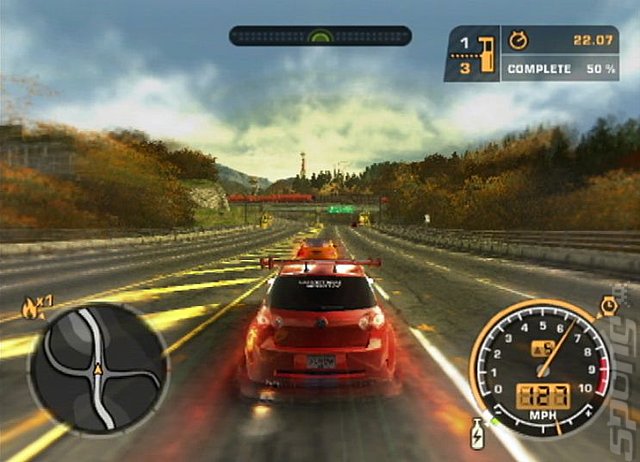
Graphically at least, it seems more realistic than the previous installments, perhaps only due to the fact that it isn't constantly night-time, the bright colours of trees and other decorative roadside objects finally visible. There's a good sense of speed, thanks to motion blur and good use of processing power. The cars themselves are nicely rendered with more choice than the last 2 installments and more cars in the high performance category.
The career mode progression is split into 2 parts, completing races (circuit, sprint, drag, lap knockout, tollbooth and speedtrap) and accruing enough police bounty through pursuit milestones, to challenge the next player on the blacklist. The tollbooth time trials and speedtrap races are new additions to the series, the first being a simple single player time trial race, and the second a race where finishing first doesn't guarantee a win, places are decided on who went fastest through set points on the course. Both of these modes have good gameplay and stand out from the other racing modes.
The police pursuits are possibly the best feature of the game, challenging the player to rethink their approach to racing through the streets. Dotted around the map are hiding places and pursuit breakers which can throw off trailing cops, another new feature is the speedbreaker which puts the game into slow motion for a short time, allowing the player to dodge a roadblock or pull off difficult maneuvers which may not otherwise be possible.
Outside of career mode there's also the challenge mode which uses pursuit combos and tollbooth times as trials with which to test the player. This can be helpful to build up skills for career mode, or just as a break from it. Musically the soundtrack has a lot of enjoyable songs, which fit well with the action on screen. Police chases have their own theme to evoke the tension onscreen, and this adds to the overall feel of the game.
This installment of Need For Speed delivers on a lot of levels, the career mode is engaging with plenty of challenge both from races and pursuits, the car customisation options as well as the choice of cars is wide and the map is larger than both of the previous installments. The AI racers can sometimes obviously use "rubberbanding" to give a closer result to races, and police pursuits can be difficult to evade after enough time being chased, but on the whole what could have been another night-time street racing series game became something much more enjoyable with its own character.
Rating: 86/100
Grade: B
Game: Need For Speed: Underground
Console: Sony Playstation 2
Developer: EA
Release Date: 17th November 2003
The first game in the "second era" of the Need For Speed series, Underground took to the PS2 with an emphasis on street racing with a selection of import cars which could be tuned up aesthetically and performance-wise. All races take place in a generic city at night, which is not to say that the city is boring, landmark-wise, however its name is never mentioned and the player is not able to explore it outside of the races.
The goal of career mode in the game is to gain the #1 spot in every racing discipline in the city, these include Circuit, Drag, Sprint and Drift racing. To challenge the respective place holders (you start unranked, attempting to move into the #10 spot for each type of racing) the player must impress in a series of seemingly unimportant races, before receiving a message from the racer they wish to challenge. This formula can get a little stale as you progress especially with 10 places to each of the 4 racing types to obtain.
The gameplay is faced paced, with the tracks and city nicely rendered. Although the maximum of 4 cars in a race seems small by today's standards, the races remain close most of the time, although the game can be a little to easy to beat if you're experienced with the series. Drag races are interestingly different from the circuit and sprint events, with manual gears and an automatic lane switch system, leaving you to solely focus on your gearing. Drift mode is also markedly different from the others, requiring the player to master more than just one racing skill.
Musically the game has a tracklist of varied songs which fit the night racing mood decently, but allows you to choose which songs play if there are any which are too far outside your tastes. Car customisation options are unlocked by winning races, and style points, earned by drifting and doing other dangerous maneuvers. Compared to games later in the series there's not a whole lot of choice in terms of bodykits and paint options, but its in line with games of its time.
Overall Need For Speed Underground was an impressive game for it's time and its race experience still compares favourably with later installments. The style point system and customisation options are strong points of the game, although the repetitive nature of the career mode brings the replay value and overall completion incentive down somewhat.
Rating: 75/100
Grade: B
Game: Need For Speed Underground 2
Console: Sony Playstation 2
Developer: EA
Release Date: 15th November 2004
Adding SUV's, refillable nitrous and perhaps most importantly open world exploration between races, Need For Speed Underground 2 is a sequel that surpasses its predecessor in a lot of ways. There's a wider selection of cars, including SUV's for added variety, more customisation options and some new race modes in the form of Street X and the Underground Racing League.
The game begins with some backstory (although as with most plots in NFS games its contrived and can be easily ignored without too much loss), using a comic book style to illustrate the cutscenes. Its nice to actually have some sort of perceived motive for winning street races, but winning races is all you really need to do to complete the game.
With an open world map in the game, choosing your races works the same as in the previous installment, except you have to drive to them to begin competing. You can still choose in which races you want to compete although sponsorship deals are a new feature which will offer perks for winning certain types of races. New race types are Street X which features short tracks with tight corners, leading a lot of jostling between competitors, and Underground Racing League races which feature 6 opponents on track at one time, and no traffic, more like a sports racing game than a street racer. Drift Races also feature all 4 opponents on track at one time, instead of just your own car in the previous installment.
The player can also choose to challenge any other racers they meet around the street, with the simple press of a button. This will initiate a mini challenge for extra money, or "bank" which the game chooses to constantly refer to it as. This, alongside the comic cutscenes seem to be the worst features of this installment. Other than that the music leaves something to be desired, with a forgettable collection of "EA Trax", which are possibly best turned down on the mixer in favour of your own favourite music.
Overall then, Need For Speed 2 delivers an updated racing experience with more cars, an open world map and a plot of some kind. Although the 2 racing modes it added were shortlived (we've not seen Street X since, and URL races only seemed to rear their head again in ProStreet as the main part of gameplay), they don't detract from the experience. The graphics are nice, not massively better than the first game but an improvement, and the changes in weather are a classy touch. Musically and attitude wise the game feels a little off, with the best course of action being to ignore all NPC's and cutscenes, but on the whole its a better game.
Rating: 79/100
Grade: B
Game: Need For Speed Most Wanted
Console: Sony PlayStation 2
Developer: EA
Release Date: 25th November 2005
With two fairly successful 'Underground' titles in preceding years, you'd have forgiven EA for making a third game under that title. Luckily what they did was much, much better; adding action packed police chases, tollbooth time trials and a challenge mode, Need For Speed Most Wanted impresses right off the bat in terms of gameplay and features. For a start there's structured goals; achieve certain feats in police chases, and win these races to challenge the next player on the blacklist, the car selection is bigger and better than ever (with no SUV's), and there's miles of open road to roam around.
Graphically at least, it seems more realistic than the previous installments, perhaps only due to the fact that it isn't constantly night-time, the bright colours of trees and other decorative roadside objects finally visible. There's a good sense of speed, thanks to motion blur and good use of processing power. The cars themselves are nicely rendered with more choice than the last 2 installments and more cars in the high performance category.
The career mode progression is split into 2 parts, completing races (circuit, sprint, drag, lap knockout, tollbooth and speedtrap) and accruing enough police bounty through pursuit milestones, to challenge the next player on the blacklist. The tollbooth time trials and speedtrap races are new additions to the series, the first being a simple single player time trial race, and the second a race where finishing first doesn't guarantee a win, places are decided on who went fastest through set points on the course. Both of these modes have good gameplay and stand out from the other racing modes.
The police pursuits are possibly the best feature of the game, challenging the player to rethink their approach to racing through the streets. Dotted around the map are hiding places and pursuit breakers which can throw off trailing cops, another new feature is the speedbreaker which puts the game into slow motion for a short time, allowing the player to dodge a roadblock or pull off difficult maneuvers which may not otherwise be possible.
Outside of career mode there's also the challenge mode which uses pursuit combos and tollbooth times as trials with which to test the player. This can be helpful to build up skills for career mode, or just as a break from it. Musically the soundtrack has a lot of enjoyable songs, which fit well with the action on screen. Police chases have their own theme to evoke the tension onscreen, and this adds to the overall feel of the game.
This installment of Need For Speed delivers on a lot of levels, the career mode is engaging with plenty of challenge both from races and pursuits, the car customisation options as well as the choice of cars is wide and the map is larger than both of the previous installments. The AI racers can sometimes obviously use "rubberbanding" to give a closer result to races, and police pursuits can be difficult to evade after enough time being chased, but on the whole what could have been another night-time street racing series game became something much more enjoyable with its own character.
Rating: 86/100
Grade: B
Subscribe to:
Posts (Atom)